



The global wearable AI market is entering a period of rapid expansion, fueled by advances in artificial intelligence, sensor technology, and growing investment from major technology companies. From smartwatches and AI-powered glasses to health-focused rings and next-generation assistants, wearable devices are evolving into intelligent, always-on companions—and the market is scaling accordingly.
A Fast-Growing Market With Strong Forecasts
The numbers behind wearable AI growth highlight just how quickly the sector is expanding:
- The global wearable AI market is expected to grow from around $55 billion in 2026 to over $310 billion by 2033, with a CAGR of nearly 28%
- Some projections suggest even faster expansion, reaching over $287 billion by 2033 at nearly 30% annual growth
- The broader wearable technology market is also rising, expected to exceed $230 billion in 2026 and continue growing steadily
At the same time, global shipments of wearable devices are increasing, with over 600 million units expected in 2026
These figures confirm a clear trend: wearable AI is transitioning from a niche category into a mainstream technology sector.
Big Tech Drives the Investment Surge
One of the primary forces behind this growth is aggressive investment from major tech companies.
Industry leaders are pouring resources into wearable AI across multiple categories:
- Smartwatches and health devices
- AI-powered glasses and augmented reality headsets
- Voice-first assistants and wearable companions
- Smart rings, pendants, and biometric sensors
At CES 2026 and other global events, companies including Apple, Google, Meta, and Samsung showcased new wearable concepts powered by AI, signaling a shift toward AI-first hardware ecosystems
At the hardware level, chipmakers are also accelerating innovation. New wearable-focused processors are designed to run AI models directly on devices, enabling real-time, on-device intelligence without relying on the cloud
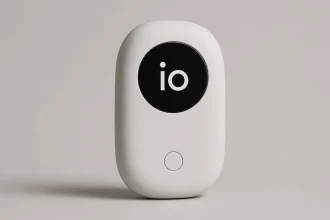
This combination of software and hardware investment is laying the foundation for a new generation of intelligent wearables.
From Fitness Trackers to Intelligent Assistants
Wearables are no longer just step counters or notification devices. In 2026, they are evolving into context-aware AI assistants.
Modern wearable AI devices can:
- Monitor health metrics in real time
- Provide personalized recommendations
- Analyze user behavior and environment
- Deliver proactive alerts and insights
Healthcare is a major driver of adoption. AI-powered wearables enable:
- Remote patient monitoring
- Early detection of health anomalies
- Personalized wellness plans
Healthcare already accounts for a significant share of wearable AI usage, with growing demand for continuous, data-driven health insights.
The Rise of New Form Factors
Beyond traditional smartwatches, new wearable categories are gaining momentum:
1. AI Glasses
AI-powered smart glasses are expected to reach millions of units annually, with rapid growth projected through the end of the decade
These devices combine:
- Visual recognition
- Real-time translation
- Context-aware assistance
2. Smart Rings and Biometric Devices
Compact wearables like rings and wristbands focus on:
- Sleep tracking
- Stress monitoring
- Continuous health analysis
3. AI Pins and Pendants
New experimental devices aim to provide:
- Always-on voice interaction
- Ambient computing experiences
- Hands-free AI assistance
CES 2026 showcased many of these innovations, highlighting a shift toward smaller, less intrusive, and more intelligent devices
Enterprise and Industrial Use Cases
While consumer devices dominate headlines, wearable AI is also transforming industries.
Organizations are adopting wearable AI for:
- Workplace safety monitoring
- Real-time decision support
- Field service optimization
- Training and augmented reality workflows
These applications enable workers to access AI insights directly in the field, improving efficiency and reducing errors
In sectors like manufacturing and logistics, wearable AI is becoming a critical productivity tool, connecting frontline workers to digital systems in real time
Key Technology Drivers
Several technological advancements are accelerating the wearable AI market:
Edge AI and On-Device Processing
Devices can now run AI models locally, reducing latency and improving privacy
Advanced Connectivity
Emerging technologies like next-generation wireless standards are enabling faster, more reliable communication between devices
Sensor Innovation
Improved sensors allow wearables to track:
- Heart rate and oxygen levels
- Movement and posture
- Environmental conditions
Multimodal AI
Wearables increasingly combine:
- Voice
- Vision
- Motion data
to deliver richer, more contextual insights
Challenges and Concerns
Despite strong growth, the wearable AI market faces several challenges:
1. Privacy and Data Security
Always-on devices raise concerns about:
- Continuous monitoring
- Data collection
- User consent
2. Battery Life and Hardware Limitations
Balancing performance with size and battery constraints remains a major challenge
3. User Adoption
Some users remain hesitant to adopt:
- Always-listening devices
- AI systems that analyze personal behavior
4. Market Fragmentation
With many new device types emerging, it is still unclear which form factors will achieve mass adoption
The Future: AI as a Wearable Layer
Looking ahead, wearable AI is expected to evolve into an ambient intelligence layer that seamlessly integrates into daily life.
Instead of interacting with screens, users will:
- Speak naturally to AI
- Receive proactive insights
- Access information instantly through wearable devices
This shift could redefine how people interact with technology—moving from device-centric computing to human-centric AI experiences
The wearable AI market is experiencing strong, sustained growth as technological innovation and investment converge. With billions of dollars flowing into the sector and new device categories emerging, wearable AI is poised to become a defining element of the next computing era.
As tech giants continue to invest and compete, the key question is no longer whether wearable AI will succeed—but which devices and ecosystems will define the future of intelligent, always-on computing.